Hello everyone! Mickey Johnson here, and today I want to share some valuable tips on how to make the most of natural lighting in your photography. Whether you're a seasoned professional or just starting out, understanding how to utilize natural light can significantly enhance the quality of your photos. Let's dive in!
1. Golden Hour Magic
The "Golden Hour" refers to the period shortly after sunrise and just before sunset. During these times, the sunlight is softer and more diffused, casting a warm glow that can make your photos look magical. Plan your shoots during these hours to capture the best natural light.
2. Avoid Harsh Midday Sun
The midday sun can be harsh, creating strong shadows and highlights. If you must shoot during this time, look for shaded areas or use a diffuser to soften the light. Alternatively, you can embrace the contrast for a dramatic effect, but be mindful of overexposure.
3. Use Reflectors
Reflectors are fantastic tools for bouncing light back onto your subject, reducing shadows, and adding a touch of brightness. You can use professional reflectors or even DIY options like white poster boards or aluminum foil.
4. Find the Right Angle
The angle of light can drastically change the look of your photos. Side lighting can create depth and texture, while backlighting can add a beautiful halo effect. Experiment with different angles to see what works best for your subject.
5. Natural Light Indoors
When shooting indoors, position your subject near windows to take advantage of the available natural light. Sheer curtains can diffuse the light, creating a soft and flattering effect. Pay attention to the direction of the light to avoid unflattering shadows.
6. Overcast Days are Your Friend
Cloudy days provide a natural diffuser, offering soft and even lighting. Don't be discouraged by overcast weather; it can actually be ideal for portraits and macro photography.
7. Use the Right Settings
Adjusting your camera settings is crucial when working with natural light. Use a wider aperture (lower f-stop) to let in more light and create a shallow depth of field. Increase the ISO if necessary, but be cautious of noise in your images.
8. Observe and Adapt
Natural light is constantly changing, so it's important to stay observant and adapt to the conditions. Take test shots, evaluate the lighting, and make adjustments as needed. Practice will help you become more intuitive with natural light.



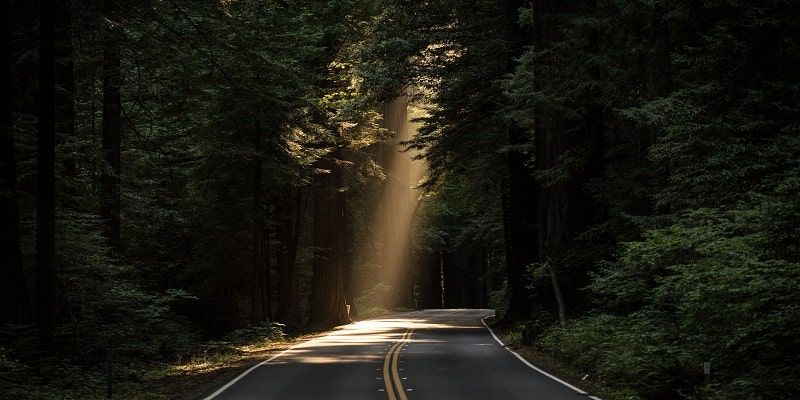
Here are some natural light photographs I recently captured. I hope you enjoy them as much as I enjoyed taking them!
If you like what you see and want to learn more about photography, consider joining my photography class. It's a fantastic opportunity to improve your skills and explore new techniques. To join, simply email me at iammickeyjohnson@icloud.com.