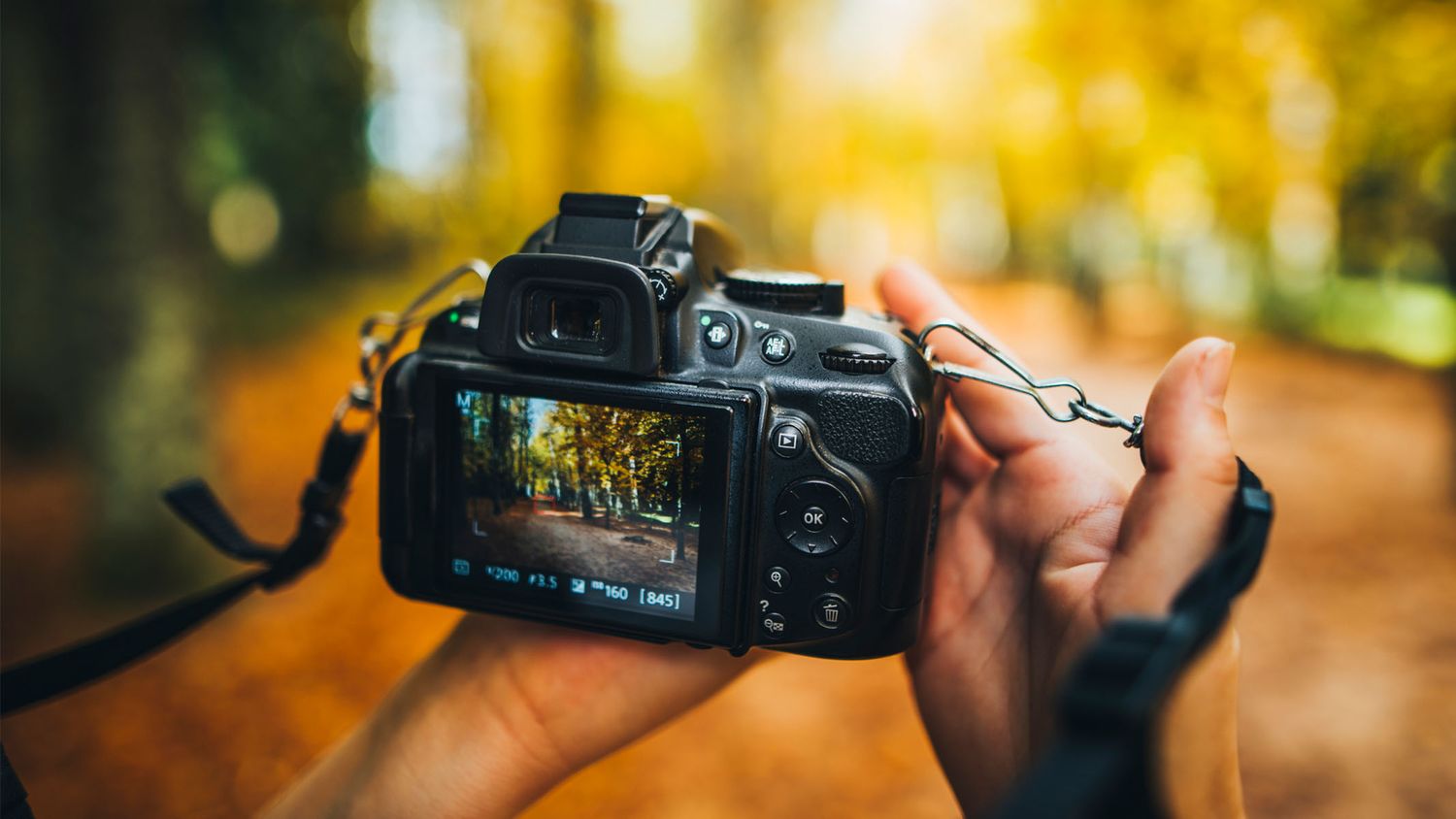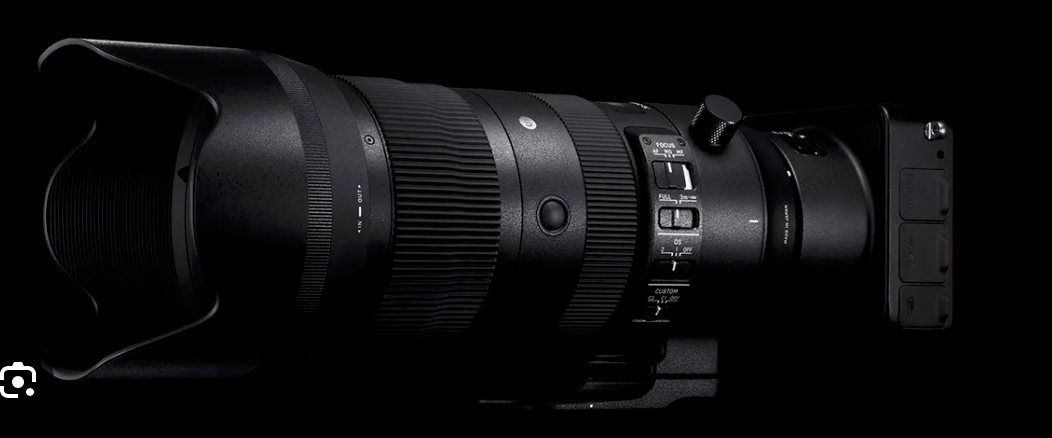
As photographers, we know that capturing the perfect image involves more than just pointing and shooting. The trifecta of ISO, aperture, and shutter speed is the cornerstone of photography, and mastering these settings can elevate your images to the next level. Let's dive into how to achieve the best quality images by balancing these elements with different types of lenses.
Understanding the Exposure Triangle
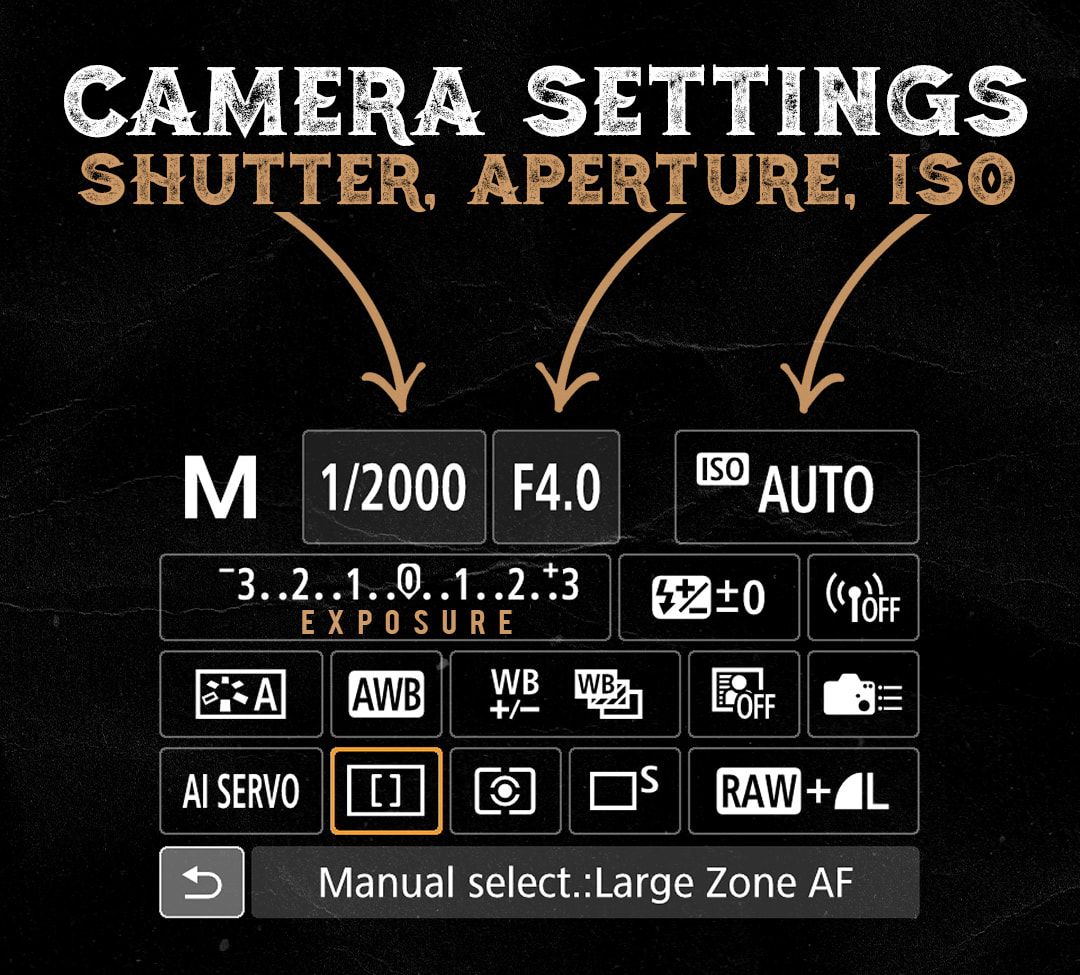
Before we get into specific settings, it's crucial to understand the exposure triangle: ISO, aperture, and shutter speed. These three settings work together to control the amount of light that reaches your camera's sensor, and they also affect other aspects of your image, such as depth of field and motion blur.
- ISO: Controls the camera's sensitivity to light. A lower ISO (e.g., 100) means less sensitivity and less noise, while a higher ISO (e.g., 1600) increases sensitivity but can introduce more noise.
- Aperture: Refers to the size of the lens opening, which controls the depth of field. It's measured in f-stops (e.g., f/2.8, f/8, f/16). A lower f-stop number means a wider aperture, allowing more light and creating a shallower depth of field.
- Shutter Speed: Determines how long the camera's shutter is open to expose light to the sensor. It's measured in seconds or fractions of a second (e.g., 1/2000s, 1/60s, 2s). A faster shutter speed freezes motion, while a slower shutter speed can create motion blur.
Prime Lenses
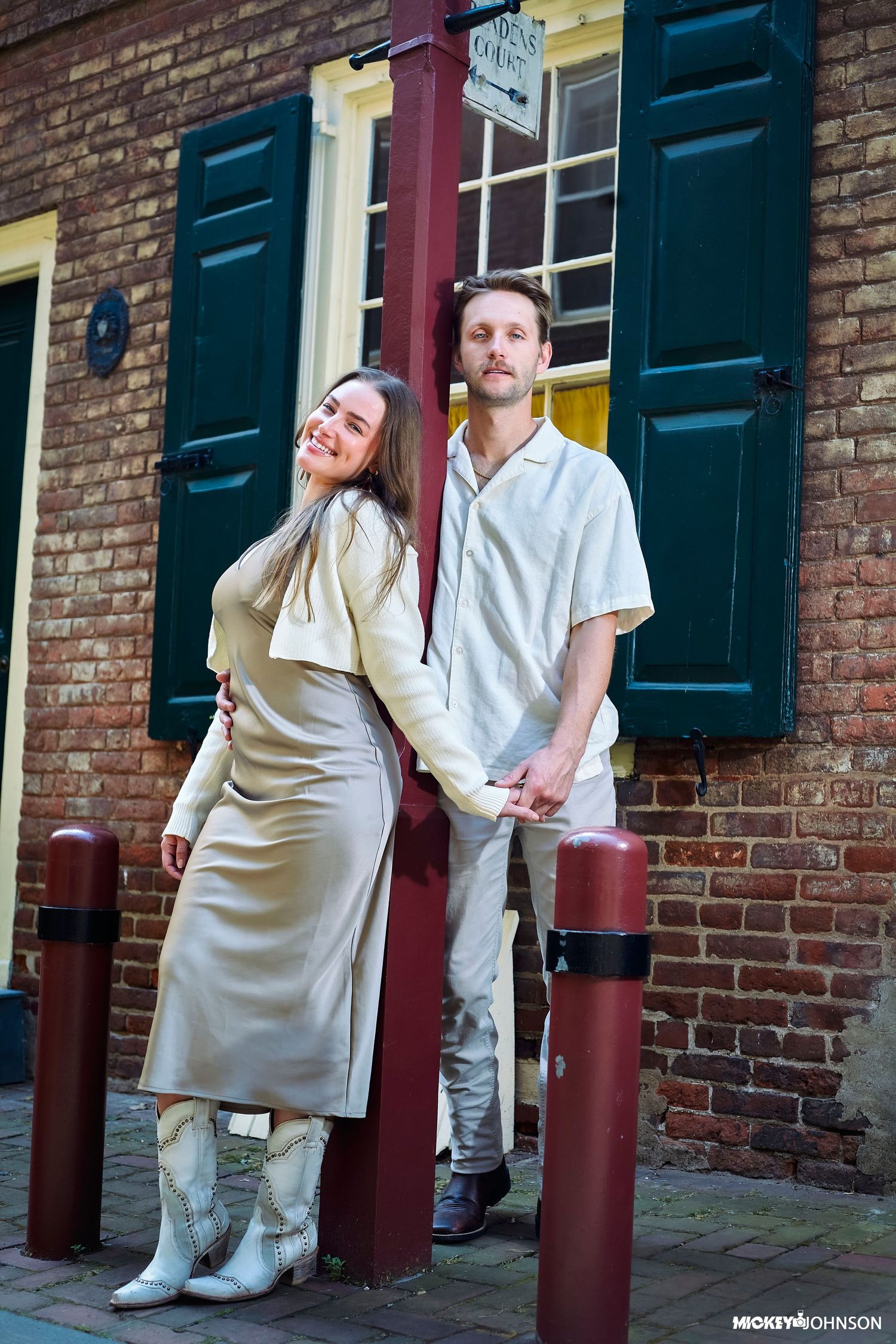
Prime lenses have a fixed focal length and are known for their sharpness and wide apertures. They're perfect for portrait photography and low-light conditions.
- Settings for a 50mm f/1.8 Prime Lens:
- ISO: 100-400 for bright conditions, up to 800-1600 for low light.
- Aperture: f/1.8 for a shallow depth of field and beautiful bokeh, f/5.6-f/8 for more depth in landscape or group shots.
- Shutter Speed: 1/200s or faster for handheld portraits, slower speeds (with a tripod) for creative effects in low light.
Zoom Lenses
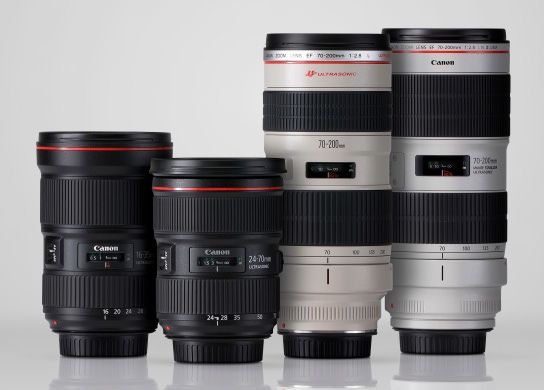
Zoom lenses offer flexibility with variable focal lengths, making them ideal for events, travel, and wildlife photography.
- Settings for an 18-55mm f/3.5-5.6 Kit Lens:
- ISO: 100-400 for outdoor shooting, up to 1600 for indoor or low light.
- Aperture: f/3.5-5.6 at the widest for more light, f/8-f/11 for sharper images with more depth.
- Shutter Speed: 1/60s or faster to avoid camera shake, adjust as needed for movement.
Telephoto Lenses
Telephoto lenses are great for sports, wildlife, and any situation where you need to get closer to the action.
- Settings for a 70-200mm f/2.8 Telephoto Lens:
- ISO: 100-400 for daylight, up to 3200 for low-light sports.
- Aperture: f/2.8 for low light and background separation, f/8 for greater depth of field.
- Shutter Speed: 1/1000s or faster for sports and wildlife to freeze motion, slower speeds for panning shots.
Wide-Angle Lenses
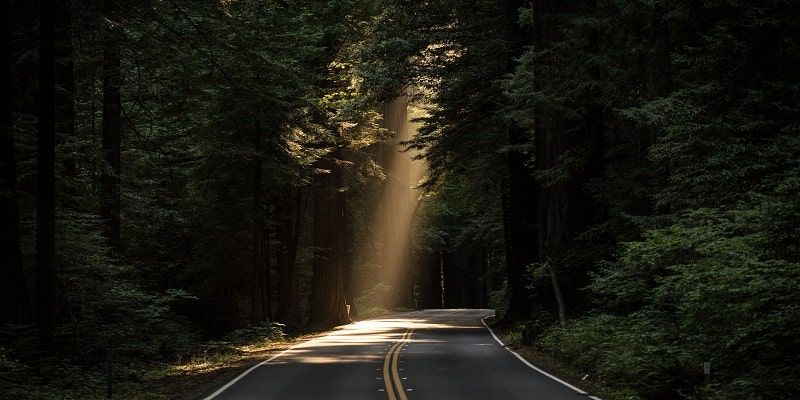
Wide-angle lenses capture a broader scene and are perfect for landscapes, architecture, and astrophotography.
- Settings for a 16-35mm f/4 Wide-Angle Lens:
- ISO: 100-400 for bright conditions, up to 3200 for astrophotography.
- Aperture: f/4 for general use, f/8-f/16 for landscapes to ensure sharpness throughout the scene.
- Shutter Speed: 1/60s or faster to avoid blur in handheld shots, longer exposures (with a tripod) for night skies.
Macro Lenses
Macro lenses are designed for close-up photography, capturing tiny details in subjects like insects and flowers.
- Settings for a 100mm f/2.8 Macro Lens:
- ISO: 100-400 for natural light, up to 1600 for indoor or low light.
- Aperture: f/2.8 for a very shallow depth of field, f/8-f/16 for more detail in your subject.
- Shutter Speed: 1/200s or faster to minimize motion blur, use a tripod for stability in close-up shots.
General Tips for Best Quality Images
- Use Manual Mode: This gives you full control over your settings. Start with the aperture or shutter priority modes if you're new to manual.
- Shoot in RAW: This format retains more data, giving you greater flexibility in post-processing.
- Use a Tripod: Essential for low light, macro, and long exposure shots to avoid camera shake.
- Check Your Histogram: This tool helps you understand exposure and avoid blown-out highlights or underexposed shadows.
- Experiment and Learn: Every lens and camera combination is different. Practice and experiment with different settings to see what works best for your style and subject.
Conclusion
Mastering ISO, aperture, and shutter speed settings is essential for capturing the best quality images with any lens. By understanding how these elements interact and adjusting them to suit your lens and shooting conditions, you can take your photography to new heights. Happy shooting!